
TL;DR
This checklist walks fact-checkers through six core steps — verifying a source’s authority and funding, detecting hidden bias through framing and lateral reading, cross-checking claims against trusted databases (Snopes, PolitiFact, CDC/WHO), analyzing visuals for manipulation or deepfakes, spotting loaded language and logical fallacies, and placing facts in their full context. A simplified five-step version covers what any reader can do in under five minutes before escalating a claim to deeper scrutiny.
Direct Answer
What’s the fastest way to fact-check a claim you see online? Identify the exact claim, trace it back to its original source rather than a screenshot or paraphrase, look for independent corroboration from unrelated outlets, check the date and context match, and verify against a primary source or an established fact-checker like Snopes, FactCheck.org, or PolitiFact.
Last updated: September 13, 2026
In an age where information flows ceaselessly through digital veins, the role of fact-checkers has never been more crucial. As anyone versed in media literacy knows, the sheer volume of news, opinions, and data can overwhelm even the most discerning mind. To navigate this complex landscape, fact-checkers must approach media with a systematic and critical eye. “The best defense against misinformation is a well-informed public,” notes Kathleen Hall Jamieson, a leading scholar in political communication. This article presents a comprehensive media analysis checklist, drawn from both academic research and professional experience, to aid fact-checkers in verifying information effectively and ethically. By mastering these steps, practitioners can uphold the integrity of information and contribute to a healthier discourse.
Understanding the Source: Verify Authority and Credibility
Every fact-checking endeavor begins with the source. Understanding who provides the information is the cornerstone of assessing its reliability. This means not only identifying the publisher but also evaluating their reputation, transparency, and history of accuracy. For example, established news organizations like The New York Times or BBC have editorial standards that generally ensure credibility, though even they are not immune to error. Conversely, a website without clear authorship or contact details might warrant skepticism. As Carl Sagan famously said, “Extraordinary claims require extraordinary evidence,” emphasizing the importance of scrutinizing the origin of claims.
Moreover, fact-checkers should delve into the source’s background to uncover any affiliations or conflicts of interest. Investigating whether a news outlet is state-sponsored, commercially driven, or ideologically aligned can reveal potential biases. A 2020 study by the Reuters Institute demonstrated that misinformation often thrives on less transparent platforms, making source verification a vital first step. Fact-checkers also benefit from consulting media watchdog organizations like Media Bias/Fact Check or Reporters Without Borders to gauge a source’s reliability.
Finally, understanding the medium through which the message is delivered is essential. Social media posts, blog entries, and official press releases all have different editorial controls and purposes. Each demands a tailored approach in evaluating credibility. Recognizing these nuances helps fact-checkers determine how much weight to assign to the information and decide the appropriate follow-up verification measures.
Identifying Biases: Detect Hidden Agendas in Media
Bias is an omnipresent force within media that can subtly or overtly distort facts. An experienced fact-checker does not merely accept information at face value but actively seeks to uncover underlying agendas. Editorial slants often shape how facts are framed, influencing public perception. For instance, during the 2016 U.S. presidential election, media outlets were frequently criticized for partisan reporting, spotlighting the necessity for fact-checkers to identify and mitigate the influence of bias.
Recognizing bias involves examining language, story selection, and what is omitted. A report highlighting only negative aspects of a political figure may be pushing an agenda. Likewise, sensational headlines designed to provoke emotional reactions can betray a motive beyond informing. The Harvard Kennedy School’s Shorenstein Center has documented how selective coverage shapes narratives, urging fact-checkers to apply rigorous skepticism to detect such patterns.
Moreover, cognitive biases like confirmation bias affect not only consumers but also reporters and editors. Fact-checkers must guard against these psychological pitfalls both in their subjects and themselves. Employing tools such as lateral reading—cross-referencing multiple sources—can help reveal hidden agendas and present a more balanced view. As media analyst Howard Rheingold asserts, “Critical thinking is the key to overcoming bias in a world of media overload.”
Cross-Checking Facts: Use Trusted Verification Tools
No fact-checking process is complete without cross-verification. This means comparing claims against multiple, reliable sources to confirm accuracy. Trusted verification tools have become indispensable in this phase, including databases such as Snopes, FactCheck.org, and PolitiFact. These platforms provide evidence-based assessments and archives of prior fact-checks, saving time and increasing confidence in conclusions.
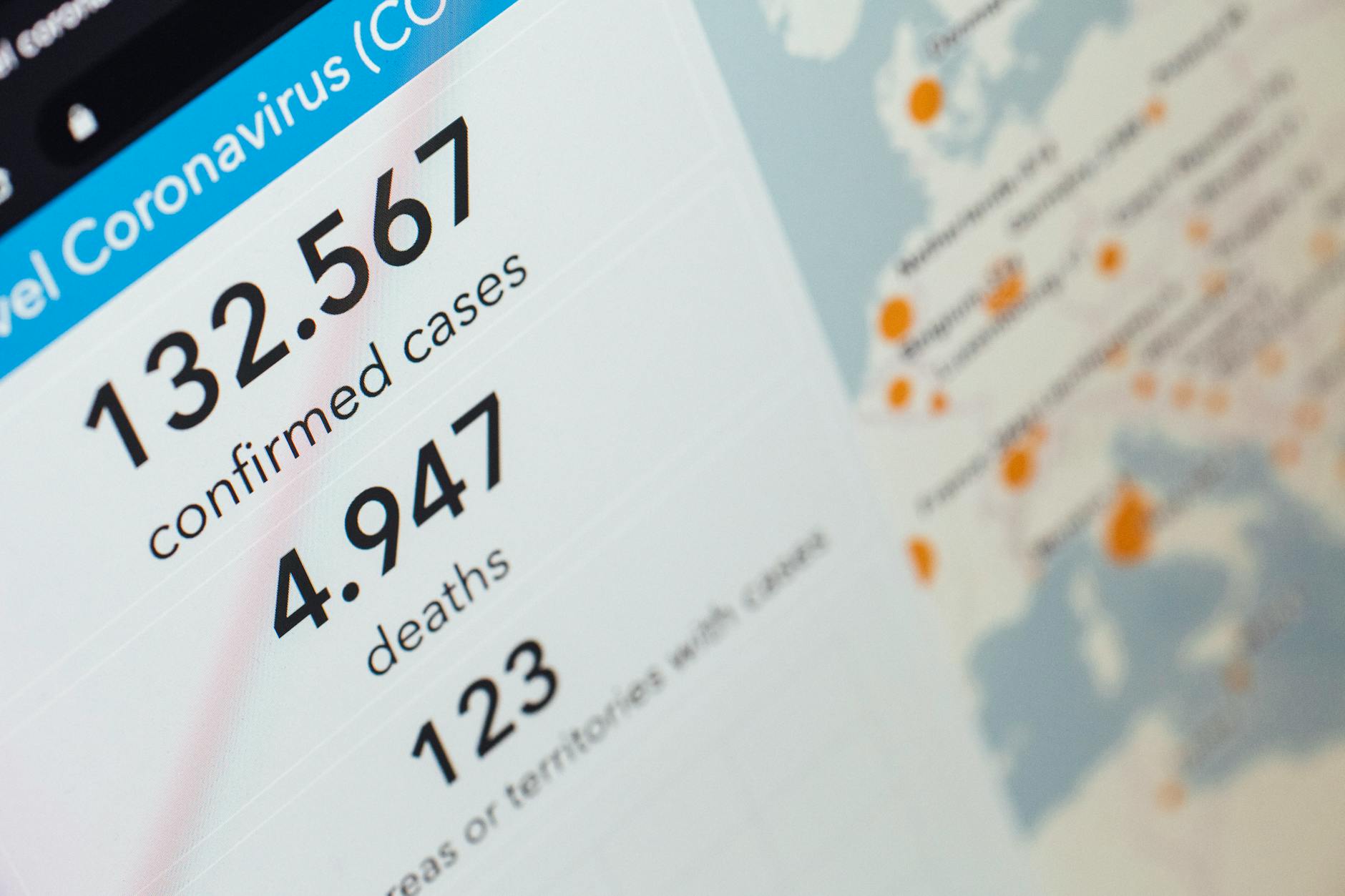
In addition to these repositories, fact-checkers use official data sources—government reports, academic studies, and verified statistical data—to validate claims. For example, during the COVID-19 pandemic, the Centers for Disease Control and Prevention (CDC) and the World Health Organization (WHO) served as primary references to counter misinformation. Fact-checkers must be vigilant that sources are up-to-date and credible, especially when dealing with rapidly evolving topics.
Technological tools also aid the process. Reverse image searches can verify the authenticity of photographs, while metadata analysis helps confirm the origin and timeline of digital content. The use of browser extensions like InVID for video verification exemplifies how technology bridges gaps in traditional fact-checking. As the International Fact-Checking Network (IFCN) emphasizes, combining human judgment with digital tools is the future of effective verification.
Analyzing Visual Content: Spot Manipulated Images and Videos
Visual content wields immense persuasive power but is equally susceptible to manipulation. Fact-checkers must scrutinize images and videos to detect signs of editing, misrepresentation, or fabrication. Techniques such as image forensics analyze pixel inconsistencies, shadows, or compression artifacts that reveal tampering. For instance, during the 2018 Gaza protests, manipulated images circulated widely on social media, necessitating careful visual analysis to prevent misinformation.
Context is crucial when interpreting visuals. A photograph may be genuine yet used misleadingly if the timing or location is altered. The “fake news” phenomenon often thrives on such decontextualized images, as seen in the miscaptioning of disaster photos to imply unrelated events. Fact-checkers should reverse search images using platforms like Google Images or TinEye to trace the original source and verify context.
Video content, particularly deepfakes, poses a growing challenge. The ability to synthetically generate realistic but fake videos demands vigilance and specialized tools. Services like Deepware Scanner and Microsoft’s Video Authenticator offer preliminary detection, but human expertise remains vital. As journalist Hany Farid notes, “The battle against manipulated media is not just technical—it is epistemological,” highlighting the need for critical analysis alongside technology.
Evaluating Language: Recognize Persuasive and Loaded Words
Language shapes perception, often steering readers through subtle cues embedded in word choice and tone. Fact-checkers should develop a keen sensitivity to persuasive or loaded language that may skew objectivity. Terms like “unprecedented,” “shocking,” or “allegedly” can manipulate emotional responses or introduce doubt without factual basis. For example, political commentary frequently employs such rhetoric to influence opinion rather than convey neutral information.
Rhetorical devices—hyperbole, metaphor, and euphemism—can magnify or diminish a message’s impact. George Orwell warned that “political language… is designed to make lies sound truthful and murder respectable.” Fact-checkers must decode these linguistic strategies to separate fact from spin. Evaluating whether a piece uses balanced, precise language or inflammatory rhetoric aids in assessing reliability.
Additionally, the presence of logical fallacies like strawman arguments or false dilemmas undermines factual integrity. Fact-checkers need to identify these fallacies to highlight misleading reasoning. Training in critical discourse analysis provides useful frameworks to dissect language effectively. Ultimately, recognizing how language can be weaponized empowers fact-checkers to expose distortions and elevate truthful reporting.
Contextualizing Information: Place Facts Within the Bigger Picture
No fact stands alone; every piece of information exists within a broader context that shapes its meaning. Effective fact-checkers place facts within this bigger picture to avoid misinterpretation. This involves understanding historical background, cultural dynamics, and relevant timelines. For example, reporting on economic data without considering ongoing market trends or policy changes risks creating misleading impressions.
Contextualization also guards against cherry-picking data to support a particular narrative. Selective presentation of statistics without acknowledging countervailing evidence can deceive audiences. A notable example is climate change debates, where isolated temperature anomalies are used to cast doubt on long-term global warming trends, ignoring the comprehensive scientific consensus.
Furthermore, fact-checkers must consider the intended audience and medium, as these affect how facts are framed and received. A statement made in a satirical context, for instance, should not be taken as literal truth. By embedding facts in their full context, fact-checkers help readers grasp the complexity of issues, fostering a more nuanced understanding. As historian E.H. Carr emphasized, “Facts are like fish: the longer they are kept, the less fresh they become,” underscoring the importance of timely and contextual interpretation.
In summary, the challenges faced by today’s fact-checkers demand a rigorous, multifaceted approach to media analysis. From verifying sources to contextualizing information, each step in this checklist fortifies the fact-checking process against misinformation and bias. In the words of journalist Walter Lippmann, “Where all think alike, no one thinks very much.” By embracing critical thinking, employing trusted tools, and remaining vigilant against manipulation, fact-checkers safeguard the essential function of truth in society. As misinformation evolves, so too must our methods—ensuring that facts remain the bedrock of informed public discourse.
The Media Analysis Checklist
1. Verify Authority and Credibility
Understanding who provides the information is the cornerstone of assessing its reliability. This involves identifying the publisher and evaluating their reputation, transparency, and history of accuracy.
-
Audit the Publisher: Established organizations like The New York Times or the BBC maintain rigorous editorial standards, whereas a website without clear authorship or contact details warrants immediate skepticism.
-
Follow the Money: Investigate whether a news outlet is state-sponsored, commercially driven, or ideologically aligned. A 2020 study by the Reuters Institute demonstrated that misinformation often thrives on less transparent platforms.
-
Assess the Medium: Recognize that a social media post has fewer editorial controls than a peer-reviewed journal. Each demands a tailored approach to evaluation.
Example: If an anonymous blog makes a claim about national security, cross-reference it with official government briefings or non-partisan news agencies to see if the authority holds up.
2. Detect Hidden Agendas and Bias
Bias is an omnipresent force that can subtly or overtly distort facts. An experienced fact-checker actively seeks to uncover underlying agendas rather than accepting information at face value.
-
Analyze Framing: Editorial slants often shape how facts are presented. For instance, during the 2016 U.S. presidential election, media outlets were frequently criticized for partisan reporting that influenced public perception.
-
Identify Omissions: A report highlighting only negative aspects of a policy while ignoring its benefits may be pushing a specific agenda.
-
Practice Lateral Reading: Use the Harvard Kennedy School’s Shorenstein Center methodology of “lateral reading”—opening multiple tabs to see what other sources say about a specific claim—to reveal hidden biases.
Example: A headline like “Major Tech Firm Slammed for Privacy Policy” is framed to provoke an emotional reaction. A neutral report would instead state, “Privacy Advocates Raise Concerns Over New Tech Policy.”
3. Utilize Trusted Verification Tools
No fact-checking process is complete without cross-verification. Comparing claims against multiple, reliable sources is the most effective way to confirm accuracy.
-
Consult Repositories: Use established databases such as Snopes, FactCheck.org, and PolitiFact to see if a claim has already been debunked.
-
Leverage Primary Data: During the COVID-19 pandemic, the CDC and WHO served as primary references to counter medical misinformation. Always seek out government reports or academic studies over secondary summaries.
-
Apply Technical Tools: Use browser extensions like InVID for video verification or metadata analysis tools to confirm the origin of digital files.
Example: If you see a viral quote attributed to a celebrity, check PolitiFact or a transcript of their most recent public appearance before sharing it.
4. Analyze Visual and Multimedia Content
Visual content wields immense persuasive power but is equally susceptible to manipulation through editing, misrepresentation, or AI generation.
-
Perform Image Forensics: Analyze pixel inconsistencies or shadows that may reveal tampering.
-
Trace the Context: A photograph may be genuine but misleading if the date or location has been changed. Use Google Images or TinEye for reverse searches to trace an image back to its original appearance.
-
Monitor for Deepfakes: As synthetic media becomes more realistic, use tools like Deepware Scanner or Microsoft’s Video Authenticator to look for unnatural textures or robotic pacing.
Example: During the 2018 Gaza protests, manipulated images circulated widely. Fact-checkers had to use reverse image searches to prove that some of the most viral photos were actually from different conflicts years prior.
5. Recognize Persuasive and Loaded Language
Language shapes perception. Fact-checkers must develop a sensitivity to word choices that steer readers toward a specific emotional response.
-
Identify Loaded Terms: Words like “unprecedented,” “shocking,” or “allegedly” can introduce doubt or excitement without providing a factual basis.
-
Decode Rhetorical Devices: George Orwell warned that political language is often designed to “make lies sound truthful.” Watch for hyperbole, metaphors, and euphemisms used to soften or sharpen a message.
-
Spot Logical Fallacies: Be on the lookout for Strawman Arguments (misrepresenting an opponent’s view) or False Dilemmas (presenting only two options when more exist).
Example: Describing a protest as a “riot” vs. a “demonstration” completely changes the reader’s perception of the event’s legitimacy.
6. Place Facts Within the Bigger Picture
No fact stands alone. Effective fact-checkers place information within a broader context to avoid misinterpretation and “cherry-picking.”
-
Consider Historical Context: Reporting on economic data without considering ongoing market trends or policy changes risks creating a false narrative.
-
Acknowledge Scientific Consensus: In climate change debates, isolated temperature anomalies are often used to cast doubt on long-term trends, ignoring the overwhelming weight of scientific consensus.
-
Understand Intent: A statement made in a satirical context, such as an article from The Onion, should not be treated as a literal news report.
Example: Citing a single cold day as “proof” against global warming is a classic context error that ignores decades of global temperature data.
Key Takeaways for Fact-Checkers
-
Source First: Always verify the “who” before the “what.”
-
Cross-Verify: Never rely on a single source; use trusted databases and lateral reading.
-
Scrutinize Visuals: Treat every image as a potential manipulation until proven otherwise.
-
Watch the Tone: If the language makes you angry or excited, it’s likely biased.
-
Seek Context: Facts require a background story to be truly understood.
Join the Audit
As misinformation evolves, our methods must grow even stronger. Embracing critical thinking is the only way to ensure that facts remains the bedrock of our discourse.
How do you verify the news you read? Share your favorite tools or tips in the comments below, and don’t forget to bookmark this checklist for your next deep dive into a viral story!
References & Further Reading
-
Reuters Institute: Digital News Report 2020 on Misinformation
-
Shorenstein Center: The Science of Lateral Reading
-
International Fact-Checking Network (IFCN): Code of Principles
-
Media Bias/Fact Check: Resource for Source Evaluation
The Basic Fact-Checking Process (For Any Claim)
The checklist above is built for professional fact-checkers working through the mechanics of source, bias, and visual verification. But most people encounter a dubious claim long before they need any of that specialized machinery — a forwarded screenshot, a headline in a group chat, a quote that sounds too perfect. For those everyday moments, a simpler, general-purpose process covers most of the ground:
- Identify the claim precisely. Write down, in one sentence, exactly what is being asserted — who, what, when, where. Vague claims are hard to verify and easy to spread.
- Trace it to its original source. Screenshots and paraphrases travel faster than sources. Find where the claim first appeared — the original article, statement, or document — rather than the third or fourth retelling.
- Check for corroboration from independent outlets. If only one outlet is reporting something significant, treat it as provisional. Independent confirmation from unrelated newsrooms is a stronger signal than volume of shares.
- Check the date and context. A real photo, quote, or statistic attached to the wrong date or event is one of the most common ways true material becomes misleading.
- Verify with a primary source or a fact-checking organization. Government data, court records, or academic studies settle most factual disputes directly; established fact-checkers like Snopes, FactCheck.org, or PolitiFact have often already done the work.
None of this replaces the deeper techniques above — it is the version of due diligence anyone can run in under five minutes, before deciding whether a claim is even worth escalating to closer scrutiny.
Leave a Reply